|
Resident, With snow and icy conditions affecting our roads, and a weather warning for ice overnight tonight and into tomorrow morning, please keep these important tips in mind: General TipsDrive carefully this winter, particularly when the roads get slippery.Adapt your driving for different weather conditions - in wet, foggy, or icy conditions keep well back from the car in front and slow down.If you do skid, ease off the accelerator but don’t brake suddenly.Winter sun can dazzle - keep sunglasses in your car.Regularly check your car lights, tyres, and fluid levels.Keep your battery fully charged.Make sure wipers and lights are in good working order.Check you have coolant in your radiator and screen wash in your windscreen bottle.In bad weather, only drive if necessary - if you do have to make a significant journey, take a blanket, spade, warm drink, and food in case you break down or get stuck. Preparation Before LeavingBefore setting off, allow an extra 10 minutes or so to prepare your car for your journey. Ensure all windows are clear of snow and ice – not just a cleared space on the driver’s side of the windscreen.Check news broadcasts for local road conditions or notification of road traffic accidents and/or road closures due to the weather. There are a number of burst water mains in rural areas, which are resulting in road closures and icy conditions.As well as carrying an ice scraper and/or de-icer, it’s worth carrying:- Torch
- First aid kit
- Tow rope
- Blankets, warm coat and boots
- Jump leads and a warning triangle
- A couple of chocolate bars or snacks in the glove box
Driving in Snow or IceStopping distances are 10 times longer in ice and snow.Gentle manoeuvres are the key to safe driving in heavy snow.Select second gear when pulling away, easing your foot off the clutch gently to avoid wheel spin. If your car has an automatic gearbox, it may have a special button for snow and ice conditions – check your handbook.Try to maintain a constant speed, choosing the most suitable gear in advance to avoid having to change down while climbing a hill.When driving downhill, choose a lower gear to reduce the chances of using your brakes, and therefore reducing the chances of skidding.Always apply brakes gently, and release them and de-clutch if the car skids.If you do get stuck, straighten the steering wheel and clear the snow from the wheels. Put a sack or old rug in front of the driving wheels to give the tyres some grip. Once on the move again, try not to stop until you reach firmer ground. Stay safe, only travel if necessary, and please check on vulnerable neighbours where possible. 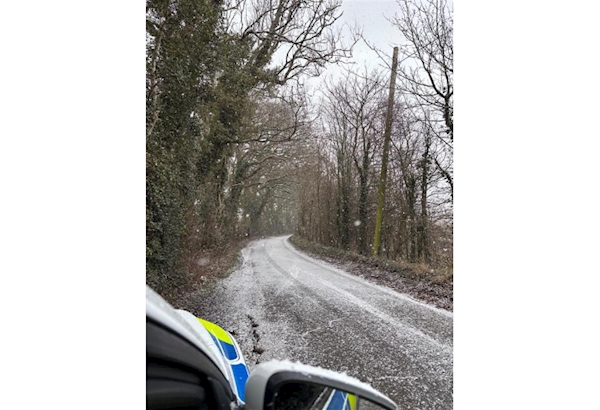
|